The Science Behind Red Light Therapy - An Evidence-Based Review of Photobiomodulation Research
Estimated Reading Time: 18 minutes

1. Introduction
Photobiomodulation (PBM), commonly referred to as red light therapy or low-level light therapy (LLLT), is a non-invasive therapeutic approach that uses visible red and near-infrared light to modulate biological processes at the cellular level. Unlike high-power surgical lasers that generate heat to cut or ablate tissue, PBM delivers low-intensity light without causing thermal damage, aiming instead to stimulate physiological responses that support tissue repair, reduce inflammation, and improve cellular function.
Interest in photobiomodulation has expanded rapidly over the past two decades. Advances in light-emitting diode (LED) technology have made PBM devices more accessible for both clinical and home use, while an increasing number of randomized controlled trials (RCTs), systematic reviews, and meta-analyses have investigated its potential across a wide range of medical fields. These include musculoskeletal disorders, sports recovery, wound healing, oral medicine, dermatology, neurology, and rehabilitation.
The biological effects of PBM are primarily attributed to the absorption of red and near-infrared light by intracellular chromophores, particularly cytochrome c oxidase within the mitochondrial respiratory chain. Light absorption is believed to influence mitochondrial activity, increase adenosine triphosphate (ATP) production, regulate reactive oxygen species (ROS), and modulate nitric oxide signaling, thereby affecting multiple cellular pathways involved in inflammation, tissue regeneration, and cellular metabolism. Although these mechanisms have been extensively investigated in laboratory and animal studies, translating these findings into consistent clinical outcomes remains an active area of research.
Despite growing public interest, the clinical effectiveness of red light therapy remains a subject of scientific discussion. While several systematic reviews have reported beneficial effects for conditions such as knee osteoarthritis, fibromyalgia, oral mucositis, and certain sports-related injuries, other indications continue to show inconsistent or low-certainty evidence due to variations in study design, treatment parameters, and patient populations. Differences in wavelength, irradiance, energy density, treatment duration, and application protocols remain significant challenges when comparing clinical studies and establishing standardized therapeutic recommendations.
The purpose of this review is to provide a comprehensive, evidence-based overview of photobiomodulation therapy by synthesizing findings from high-quality clinical research. Rather than advocating PBM as a universal treatment, this article critically examines the current scientific evidence, explains the proposed biological mechanisms, evaluates clinical effectiveness across commonly studied conditions, discusses safety considerations, and identifies important limitations that should guide future research and clinical practice.
2. Fundamentals of Photobiomodulation
2.1 What Is Photobiomodulation?
Photobiomodulation (PBM) is a therapeutic technique that uses low-intensity visible red and near-infrared (NIR) light to stimulate biological responses without generating significant heat or causing tissue damage. Historically referred to as low-level laser therapy (LLLT), the field has evolved substantially with the widespread adoption of light-emitting diode (LED) technology. As a result, the broader term photobiomodulation is now preferred because it encompasses both laser- and LED-based devices that operate within similar therapeutic wavelength ranges.
Unlike thermal therapies, which rely on heat to relieve discomfort or increase circulation, PBM aims to influence cellular activity through a photochemical process. When photons penetrate biological tissues, they may be absorbed by intracellular chromophores—light-sensitive molecules capable of converting light energy into biological signals. Among these chromophores, cytochrome c oxidase, a key enzyme within the mitochondrial electron transport chain, has been identified as one of the primary photoacceptors for red and near-infrared light.
The interaction between light and cellular photoacceptors is believed to trigger a cascade of biological responses, including enhanced mitochondrial respiration, altered reactive oxygen species (ROS) signaling, transient nitric oxide release, and changes in gene expression associated with tissue repair and inflammation. These responses form the biological basis for the potential therapeutic effects observed in experimental and clinical studies.
Although the exact mechanisms continue to be investigated, photobiomodulation is generally regarded as a biological modulation therapy rather than a symptomatic treatment. Instead of directly masking pain or mechanically altering tissues, PBM seeks to support the body’s intrinsic cellular processes involved in recovery, adaptation, and regeneration.
2.2 Therapeutic Wavelengths
The effectiveness of photobiomodulation depends heavily on wavelength selection because different wavelengths penetrate biological tissues to varying depths and interact differently with cellular components. Most clinical research has focused on the optical window between approximately 600 and 1,100 nanometers (nm), where light absorption by melanin, hemoglobin, and water is relatively low, allowing greater tissue penetration.
The most commonly studied therapeutic wavelengths include:
|
Wavelength |
Light Type |
Typical Penetration |
Common Research Applications |
|---|---|---|---|
|
630–670 nm |
Red light |
Superficial tissues |
Skin health, wound healing, oral mucosa |
|
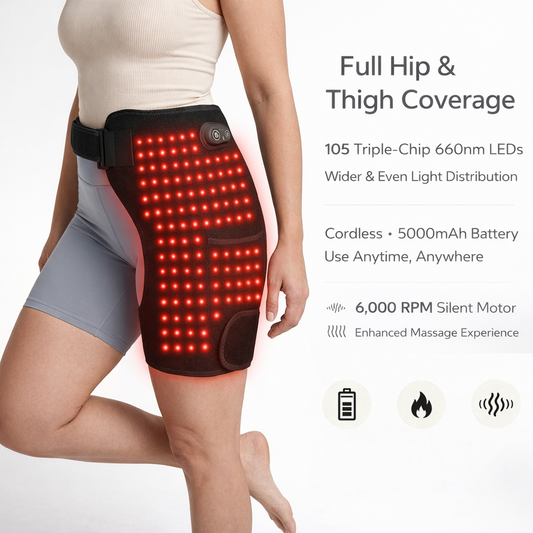
660 nm |
Red light |
Superficial to moderate depth |
Muscle recovery, pain management, soft tissue repair |
|
810–830 nm |
Near-infrared |
Deeper tissues |
Neurological research, muscle rehabilitation |
|
850 nm |
Near-infrared |
Deep tissues |
Joints, tendons, ligaments, musculoskeletal disorders |
|
904 nm |
Near-infrared laser |
Deep tissues |
Selected rehabilitation and pain studies |
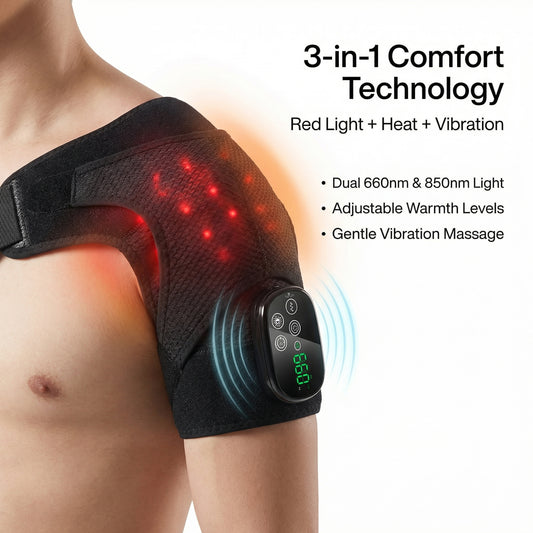
Among commercially available PBM devices, the combination of 660 nm red light and 850 nm near-infrared light has become one of the most widely adopted configurations because it provides complementary tissue penetration. Red light primarily targets superficial structures such as the skin and subcutaneous tissues, whereas near-infrared light is capable of reaching deeper muscles, tendons, and joint-associated tissues.
However, current evidence does not support the conclusion that a single wavelength is universally superior. Instead, the optimal wavelength depends on the target tissue, treatment objective, and clinical condition being addressed.
2.3 Dosimetry: Why Treatment Parameters Matter
One of the greatest challenges in photobiomodulation research is the lack of standardized treatment protocols. Unlike pharmaceutical therapies, where dosage is typically expressed in milligrams, PBM requires multiple physical parameters to be considered simultaneously. These include wavelength, power output, irradiance (power density), energy density (fluence), treatment duration, treatment frequency, and total energy delivered.
Even small changes in these parameters may influence biological responses. For example, two devices using the same wavelength may produce substantially different clinical outcomes if their irradiance or treatment duration differs. Consequently, comparing results across clinical studies remains difficult, particularly when treatment protocols are incompletely reported.
Researchers have also proposed a biphasic dose-response relationship, commonly referred to as the Arndt–Schulz principle, suggesting that insufficient light exposure may fail to produce measurable biological effects, whereas excessive energy delivery may reduce or even inhibit the desired response. Although this concept has been supported by numerous laboratory studies, determining the optimal therapeutic dose for individual clinical conditions remains an active area of investigation.
For this reason, international organizations such as the World Association for Laser Therapy (WALT) have published dosage recommendations for specific musculoskeletal conditions. Nevertheless, these guidelines continue to evolve as additional high-quality clinical evidence becomes available.
3. Cellular Mechanisms of Photobiomodulation
Understanding how photobiomodulation (PBM) works at the cellular level is essential for interpreting its potential clinical effects. Although research is ongoing, several biological mechanisms have been consistently described in experimental studies and are widely accepted as the foundation of PBM.
3.1 Mitochondria: The Primary Target
Mitochondria are often referred to as the “powerhouses” of the cell because they generate adenosine triphosphate (ATP), the primary energy source required for virtually all cellular activities. Healthy mitochondrial function is critical for tissue repair, protein synthesis, cell proliferation, and immune regulation.
Current evidence suggests that red and near-infrared light can be absorbed by intracellular photoacceptors, particularly cytochrome c oxidase (CCO), an enzyme located in Complex IV of the mitochondrial electron transport chain. Absorption of photons is believed to enhance electron transport efficiency, allowing mitochondria to produce ATP more effectively under appropriate conditions.
Rather than introducing external energy into tissues, PBM appears to improve the efficiency of existing cellular energy production. This distinction helps explain why photobiomodulation is considered a biological modulation therapy rather than a direct pharmacological or thermal intervention.
3.2 ATP Production and Cellular Energy
ATP serves as the universal energy currency of living cells. Increased ATP availability may support numerous physiological processes, including protein synthesis, collagen production, cellular migration, and tissue remodeling.
Experimental studies have repeatedly demonstrated that PBM can increase intracellular ATP production under specific treatment parameters. Improved energy availability may help cells respond more effectively to physiological stress or injury, potentially supporting recovery in tissues with elevated metabolic demand.
It is important to note, however, that ATP responses are not unlimited. The biological effects of PBM appear to follow a dose-dependent pattern, meaning that both insufficient and excessive light exposure may reduce therapeutic effectiveness.
3.3 Nitric Oxide and Microcirculation
Nitric oxide (NO) is an important signaling molecule involved in vascular regulation and cellular communication. One proposed mechanism suggests that light exposure temporarily dissociates nitric oxide from cytochrome c oxidase, allowing mitochondrial respiration to proceed more efficiently.
In addition, nitric oxide plays a key role in vasodilation. Improved microcirculation may enhance oxygen delivery and nutrient transport to metabolically active tissues while supporting the removal of metabolic byproducts. Although these vascular responses have been observed in both laboratory and human studies, their magnitude may vary depending on treatment parameters and tissue characteristics.
3.4 Reactive Oxygen Species as Signaling Molecules
Reactive oxygen species (ROS) are often associated with oxidative damage, but low physiological levels are also essential for normal cellular signaling.
Photobiomodulation appears to produce a transient and controlled increase in ROS generation. Rather than causing oxidative injury, these short-lived changes may activate intracellular signaling pathways involved in cellular adaptation, stress resistance, and tissue repair.
This concept illustrates an important principle in PBM research: biological responses are driven not only by energy delivery but also by the activation of endogenous signaling networks that regulate cellular homeostasis.
3.5 Modulation of Inflammatory Responses
Inflammation is a normal component of tissue repair; however, prolonged or excessive inflammation can delay recovery and contribute to chronic pain.
Experimental research suggests that PBM may influence inflammatory signaling by modulating the expression of cytokines and other immune mediators. Studies have reported reductions in several pro-inflammatory markers alongside increases in molecules associated with tissue healing and resolution of inflammation.
Although these molecular changes have been consistently observed in preclinical research, their translation into measurable clinical outcomes varies across different diseases and patient populations. Consequently, inflammation modulation should be viewed as one potential mechanism rather than a guaranteed therapeutic outcome.
3.6 Gene Expression and Tissue Remodeling
Beyond its immediate effects on cellular metabolism, photobiomodulation has also been shown to influence gene expression related to tissue repair.
Laboratory studies indicate that PBM may regulate genes involved in cell proliferation, extracellular matrix production, angiogenesis, antioxidant defense, and collagen synthesis. These molecular responses provide a biological rationale for the growing interest in PBM across wound healing, musculoskeletal rehabilitation, and regenerative medicine.
Because gene expression changes occur over time, repeated treatment sessions are generally required in clinical settings. This may explain why many randomized controlled trials report greater improvements after several weeks of treatment rather than after a single application.
3.7 A Multifactorial Biological Response
Rather than acting through a single pathway, photobiomodulation appears to initiate a coordinated network of biological responses involving mitochondrial metabolism, oxidative signaling, vascular regulation, immune modulation, and tissue remodeling.
Importantly, these mechanisms do not imply that PBM is universally effective for every medical condition. Clinical outcomes depend on multiple variables, including the patient’s underlying condition, treatment timing, wavelength, irradiance, energy density, treatment frequency, and overall protocol. This complexity highlights why high-quality randomized controlled trials remain essential for determining the clinical value of photobiomodulation across specific indications.
4. Clinical Evidence
While laboratory studies have provided important insights into the biological mechanisms of photobiomodulation (PBM), clinical decision-making ultimately depends on evidence from randomized controlled trials (RCTs), systematic reviews, and meta-analyses. Over the past decade, the number of high-quality clinical studies investigating PBM has increased substantially. However, the strength of evidence varies considerably across different medical conditions due to differences in treatment protocols, patient populations, and study design.
The following sections summarize the current clinical evidence for several of the most extensively studied applications of photobiomodulation.
4.1 Knee Osteoarthritis
Knee osteoarthritis (KOA) is among the most extensively investigated conditions in photobiomodulation research. As one of the leading causes of chronic pain and physical disability worldwide, KOA has become an important target for non-pharmacological interventions aimed at reducing symptoms and improving function.
A 2024 systematic review and meta-analysis analyzed 10 randomized placebo-controlled trials involving 542 participants with knee osteoarthritis. Compared with placebo, photobiomodulation demonstrated a statistically significant reduction in pain at rest and showed potential improvements in disability. However, the certainty of evidence was rated as very low, primarily because of heterogeneity among treatment protocols and methodological limitations. The authors concluded that PBM may serve as a complementary intervention rather than a standalone treatment and emphasized the need for more rigorous clinical trials.
Additional evidence comes from a 2025 umbrella review that synthesized findings from 15 meta-analyses and 204 randomized controlled trials across multiple health conditions. For knee osteoarthritis, PBM demonstrated improvements in both pain and physical disability, with moderate-certainty evidence supporting disability improvement and low-certainty evidence supporting pain reduction. Importantly, statistical analyses suggested that these findings were unlikely to be explained solely by publication bias, although standardized treatment protocols remain necessary before broader clinical recommendations can be made.
Collectively, current evidence indicates that PBM may reduce pain and improve functional outcomes in patients with knee osteoarthritis, particularly when incorporated into a comprehensive rehabilitation program that includes exercise and patient education. Nevertheless, international guidelines generally recommend PBM as an adjunctive therapy rather than a replacement for established conservative management strategies.
4.2 Musculoskeletal Pain
Chronic musculoskeletal pain represents one of the most common reasons patients seek rehabilitation services. Conditions affecting muscles, tendons, ligaments, and joints often involve persistent inflammation, impaired tissue healing, and functional limitations.
Clinical research suggests that PBM may provide meaningful pain relief in selected musculoskeletal disorders by modulating inflammatory responses and supporting tissue repair. However, the magnitude of benefit varies considerably depending on the underlying pathology.
Across multiple systematic reviews, the greatest consistency has been observed when PBM is used alongside conventional rehabilitation, including therapeutic exercise and physical therapy, rather than as an isolated intervention. This integrated approach appears more likely to improve pain, physical function, and patient-reported outcomes than either strategy alone.
Current evidence also indicates that treatment success is closely associated with appropriate dosimetry. Studies following internationally recommended irradiation parameters generally report more favorable outcomes than those using poorly described or inconsistent protocols. As a result, researchers increasingly emphasize that treatment parameters—including wavelength, irradiance, energy density, treatment frequency, and total treatment duration—are critical determinants of clinical effectiveness.
4.3 Tendinopathy and Soft Tissue Disorders
Tendinopathy is another area where photobiomodulation has received considerable scientific attention. A systematic review and meta-analysis of randomized controlled trials evaluating tendinopathy found that PBM combined with exercise therapy produced greater improvements in pain and function than sham treatment combined with exercise. However, when compared with other active rehabilitation interventions, differences were generally small, and the overall certainty of evidence ranged from very low to moderate. These findings suggest that PBM may provide additional benefit as part of a multimodal rehabilitation program rather than functioning as a superior standalone therapy.
Key Clinical Findings
Current clinical evidence suggests several consistent themes across the literature:
- PBM has demonstrated the strongest evidence for improving pain and disability in knee osteoarthritis.
- Combining PBM with exercise-based rehabilitation generally produces more consistent outcomes than PBM alone.
- Treatment effectiveness depends heavily on appropriate wavelength selection and dosimetry.
- Most reported adverse events are mild or absent, supporting the favorable safety profile observed in clinical trials.
- Despite encouraging findings, many clinical indications remain supported by low- or moderate-certainty evidence, highlighting the need for larger, standardized multicenter randomized controlled trials.
4.4 Neck and Shoulder Disorders
Neck and shoulder disorders are among the most common causes of musculoskeletal pain and disability worldwide. Conditions such as myofascial pain syndrome, rotator cuff disorders, subacromial impingement syndrome, and chronic mechanical neck pain have therefore become frequent targets for photobiomodulation (PBM) research.
A comprehensive review published in 2024 evaluated 36 clinical studies, including 12 studies on neck conditions and 24 studies on shoulder disorders. Across the included trials, PBM consistently demonstrated favorable effects on pain reduction and functional improvement, particularly in patients with subacromial impingement syndrome and myofascial pain syndrome. Infrared wavelengths were the most frequently investigated, reflecting their greater tissue penetration. However, the review also highlighted considerable variability in treatment protocols, making direct comparisons between studies difficult. The authors concluded that PBM represents a safe and promising non-invasive intervention but emphasized that standardized treatment parameters are still needed before definitive clinical recommendations can be established.
For chronic neck pain specifically, evidence suggests that PBM may be most effective when combined with structured rehabilitation rather than used as a standalone intervention. A systematic review of randomized controlled trials found that adding PBM to therapeutic exercise improved pain intensity and neck-related disability more consistently than exercise alone in several studies. Nevertheless, the authors noted that protocol heterogeneity and relatively small sample sizes continue to limit the certainty of available evidence.
Overall, current evidence supports PBM as a valuable adjunct to evidence-based rehabilitation programs, particularly when integrated with therapeutic exercise, posture correction, and progressive strengthening.
4.5 Sports Recovery and Exercise Performance
Photobiomodulation has attracted considerable attention in sports medicine because of its potential to enhance muscle recovery and reduce exercise-induced fatigue without pharmacological intervention.
Experimental studies have suggested that PBM applied before or after exercise may reduce markers of muscle damage, improve recovery kinetics, and delay the onset of muscular fatigue. Proposed mechanisms include enhanced mitochondrial ATP production, improved microcirculation, reduced oxidative stress, and modulation of inflammatory responses. These biological effects have generated interest among both elite athletes and rehabilitation professionals.
Despite encouraging findings, clinical evidence remains mixed. Improvements are generally more consistent for post-exercise recovery than for direct enhancement of athletic performance. Variations in treatment timing, irradiation sites, wavelength selection, and total delivered energy contribute substantially to differences between studies.
Current evidence therefore suggests that PBM should be viewed primarily as a recovery-support strategy rather than an established performance-enhancing intervention. Additional large-scale randomized controlled trials using standardized protocols are needed to determine optimal treatment parameters for different sports and exercise populations.
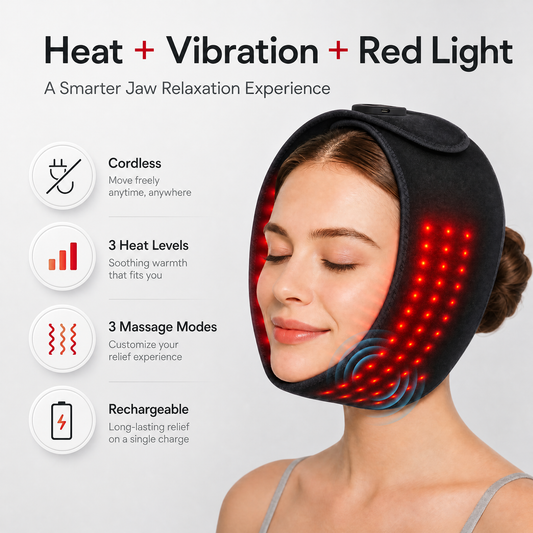
4.6 Temporomandibular Disorders (TMJ)
Temporomandibular disorders (TMDs) are characterized by pain, restricted jaw movement, joint dysfunction, and impaired chewing function. Because inflammation and muscular dysfunction frequently contribute to these conditions, PBM has become one of the most extensively studied non-pharmacological treatment options in oral rehabilitation.
A 2023 systematic review analyzed 40 randomized clinical studies evaluating PBM in patients with temporomandibular disorders. Among the included trials, the majority reported meaningful reductions in pain intensity following treatment. Improvements in maximum mouth opening, mandibular mobility, and functional jaw movement were also observed in several studies, although treatment protocols varied considerably across investigations.
More recently, a 2025 systematic review and meta-analysis including 18 randomized controlled trials with 1,038 participants reported significant improvements in both pain and mandibular function across muscular and articular forms of TMD. Interestingly, patients with articular disorders demonstrated more consistent treatment responses than those with predominantly muscular pain, suggesting that disease subtype may influence clinical outcomes.
Although these findings are encouraging, researchers continue to emphasize the need for standardized irradiation protocols and longer follow-up periods. At present, PBM is best considered a complementary treatment that may be incorporated alongside physical therapy, behavioral interventions, occlusal appliances, or other evidence-based conservative management strategies.
4.7 Fibromyalgia
Fibromyalgia is a chronic pain syndrome characterized by widespread musculoskeletal pain, fatigue, sleep disturbances, and reduced quality of life. Because conventional treatment often requires a multidisciplinary approach, researchers have investigated whether PBM may provide additional symptom relief.
The strongest current evidence comes from recent umbrella reviews, which identified moderate-certainty evidence supporting improvements in fatigue among individuals with fibromyalgia receiving PBM. Several randomized controlled trials have also reported reductions in pain intensity and improvements in health-related quality of life following repeated treatment sessions, although intervention protocols differed substantially among studies.
A recent systematic review of randomized clinical trials further concluded that PBM shows promising potential across several chronic pain conditions, including fibromyalgia. However, the authors emphasized that differences in treatment parameters, outcome measures, and follow-up duration currently prevent direct comparison between studies and limit the ability to establish standardized clinical recommendations.
Taken together, existing evidence suggests that PBM may offer clinically meaningful benefits for selected patients with fibromyalgia, particularly when integrated into a comprehensive management program that includes exercise, education, sleep optimization, and psychological support. As with other chronic pain conditions, PBM should be regarded as an adjunctive intervention rather than a replacement for multidisciplinary care.
5. Safety Profile and Limitations of Current Evidence
5.1 Safety Profile
One of the major advantages of photobiomodulation (PBM) is its favorable safety profile. Unlike pharmacological treatments, PBM does not involve systemic drug exposure, and unlike surgical interventions, it is non-invasive and does not damage biological tissue when used within recommended therapeutic parameters.
Across numerous randomized controlled trials and systematic reviews, serious treatment-related adverse events have been reported infrequently. Most studies describe PBM as well tolerated, with participants either experiencing no adverse effects or only mild, transient reactions such as temporary warmth, slight skin redness, or minor discomfort at the treatment site. Importantly, these effects generally resolve without medical intervention.
The 2025 umbrella review published in Systematic Reviews, which synthesized evidence from 204 randomized controlled trials, also reported no consistent pattern of serious safety concerns across the investigated clinical applications. This finding supports the view that PBM is generally considered a low-risk intervention when delivered according to established treatment protocols.
Nevertheless, a favorable safety profile should not be interpreted as evidence that PBM is appropriate for every individual or every medical condition. Clinical judgment remains essential, particularly in patients with complex medical histories.
5.2 Clinical Considerations
Although universally accepted contraindications remain limited, several practical precautions are commonly recommended in clinical practice.
Direct exposure of the eyes to high-intensity light sources should be avoided unless appropriate protective eyewear is specifically designed for the device being used. While many therapeutic LEDs emit relatively low irradiance, unnecessary retinal exposure is generally discouraged.
Patients with active malignancy should consult qualified healthcare professionals before initiating PBM over or near known tumor sites. Current evidence does not demonstrate that PBM causes cancer; however, because light can influence cellular metabolism, most clinical guidelines recommend a cautious, individualized approach until further evidence becomes available.
Additional caution may also be appropriate during pregnancy when treating areas directly over the abdomen or pelvis, although high-quality clinical evidence regarding pregnancy-specific safety remains limited.
As with any rehabilitation intervention, PBM should be integrated into an overall clinical management plan rather than replacing appropriate medical evaluation or evidence-based treatment.
5.3 Limitations of Current Clinical Evidence
Despite rapid growth in PBM research, several important limitations continue to affect interpretation of the available evidence.
The greatest challenge is the substantial heterogeneity among clinical studies. Treatment protocols often differ in wavelength, irradiance, energy density, treatment duration, application technique, treatment frequency, and total number of sessions. Even studies investigating the same medical condition frequently use completely different dosimetry, making direct comparison difficult.
Patient populations also vary considerably. Disease severity, symptom duration, age, activity level, and concurrent treatments may all influence clinical outcomes. These differences contribute to inconsistent findings across studies and reduce confidence when generalizing results to broader populations.
Another limitation involves sample size. Although the total number of published studies has increased, many randomized controlled trials continue to enroll relatively small numbers of participants, reducing statistical power and increasing the possibility of random variation.
Finally, long-term follow-up data remain limited for many clinical applications. Most published trials evaluate outcomes over several weeks or months, while evidence regarding sustained benefits beyond one year remains relatively scarce.
5.4 Future Research Directions
Future research should prioritize greater methodological consistency and improved reporting standards.
International collaboration could facilitate standardized treatment protocols that specify wavelength, irradiance, energy density, treatment duration, treatment frequency, and anatomical application sites. Consistent reporting would substantially improve the comparability of clinical trials and strengthen future meta-analyses.
Large multicenter randomized controlled trials are also needed to confirm promising findings observed in smaller studies. Such trials should include adequate sample sizes, longer follow-up periods, standardized outcome measures, and transparent reporting of adverse events.
Another important area of investigation is personalized photobiomodulation. Emerging evidence suggests that individual factors—including age, tissue composition, disease severity, metabolic status, and genetic variability—may influence treatment response. Better understanding these variables may allow future PBM protocols to be tailored to individual patients rather than relying on generalized dosing recommendations.
Advances in optical engineering, wearable medical devices, and artificial intelligence-assisted treatment planning may further improve treatment precision and clinical reproducibility over the coming years.
5.5 Clinical Perspective
Current scientific evidence supports photobiomodulation as a promising adjunctive therapy for several musculoskeletal and rehabilitation-related conditions. The strongest evidence currently exists for selected applications, including knee osteoarthritis, fibromyalgia, temporomandibular disorders, and certain soft tissue injuries.
However, PBM should not be viewed as a universal solution or a replacement for established medical care. Clinical outcomes depend on appropriate patient selection, evidence-based treatment parameters, and integration with comprehensive rehabilitation strategies such as exercise therapy, patient education, and conventional medical management.
As the quality of clinical research continues to improve, photobiomodulation is likely to play an increasingly important role within evidence-based rehabilitation. Continued scientific investigation will be essential to define optimal treatment protocols and clarify its long-term clinical value across a broader range of medical conditions.
6. Practical Takeaways
Based on the current body of scientific evidence, several practical conclusions can be drawn regarding photobiomodulation (PBM) and red light therapy.
- Photobiomodulation is supported by a growing body of scientific research. Over the past two decades, hundreds of laboratory studies and clinical trials have investigated its biological mechanisms and potential therapeutic applications.
- The strongest clinical evidence currently exists for selected musculoskeletal conditions. Knee osteoarthritis, temporomandibular disorders, fibromyalgia, and certain soft tissue injuries have demonstrated the most consistent clinical benefits, although evidence quality varies between conditions.
- Treatment parameters matter. Wavelength, irradiance, energy density, treatment duration, and treatment frequency all influence clinical outcomes. Appropriate dosimetry remains one of the most important factors affecting treatment effectiveness.
- PBM should be viewed as an adjunctive intervention rather than a standalone treatment. Current evidence suggests the greatest clinical benefit is often achieved when photobiomodulation is combined with established rehabilitation strategies such as therapeutic exercise, physical therapy, and patient education.
- Current evidence supports a favorable safety profile. Serious adverse events are uncommon when PBM is applied according to recommended treatment parameters, although appropriate precautions should always be observed.
- Scientific uncertainty remains. Despite encouraging findings, many clinical applications continue to be supported by low- or moderate-certainty evidence. Larger multicenter randomized controlled trials using standardized protocols are needed to strengthen future clinical recommendations.
7. Conclusion
Photobiomodulation has evolved from an experimental laboratory technique into one of the most extensively studied non-invasive therapeutic approaches in modern rehabilitation and regenerative medicine. Advances in optical technology, combined with an expanding body of clinical research, have substantially improved our understanding of how red and near-infrared light interact with biological tissues and influence cellular function.
Current evidence indicates that photobiomodulation may provide clinically meaningful benefits for selected conditions, particularly within musculoskeletal rehabilitation, chronic pain management, and tissue recovery. Improvements in pain, physical function, and quality of life have been reported across numerous randomized controlled trials and supported by several systematic reviews and umbrella reviews. At the same time, researchers consistently emphasize that treatment effectiveness depends on appropriate clinical indications, standardized treatment parameters, and integration with evidence-based rehabilitation strategies.
Importantly, photobiomodulation should not be regarded as a universal therapy or a replacement for conventional medical care. Although its biological mechanisms are increasingly understood and its safety profile is generally favorable, the quality of evidence remains variable across many clinical applications. Continued investigation through well-designed multicenter clinical trials will be essential to establish standardized treatment protocols, determine optimal dosimetry, and better identify patient populations most likely to benefit.
As scientific knowledge continues to evolve, photobiomodulation represents an important area of translational medicine where advances in basic science, biomedical engineering, and clinical research are gradually converging. Future discoveries will further clarify its role within evidence-based healthcare and help guide both clinical practice and the development of next-generation light-based therapeutic technologies.
References
- Son, Y., Lee, H., Yu, S., et al. (2025). Effects of photobiomodulation on multiple health outcomes: An umbrella review of randomized clinical trials. Systematic Reviews, 14, 160.
DOI: https://doi.org/10.1186/s13643-025-02902-3
PubMed: https://pubmed.ncbi.nlm.nih.gov/40770824/
Free full text: https://pmc.ncbi.nlm.nih.gov/articles/PMC12326686/ - de Freitas, L. F., & Hamblin, M. R. (2016). Proposed mechanisms of photobiomodulation or low-level light therapy. IEEE Journal of Selected Topics in Quantum Electronics, 22(3), 7000417.
DOI: https://doi.org/10.1109/JSTQE.2016.2561201
PubMed: https://pubmed.ncbi.nlm.nih.gov/28070154/
Free full text: https://pmc.ncbi.nlm.nih.gov/articles/PMC5215870/ - Hamblin, M. R. (2016). Photobiomodulation or low-level laser therapy. Journal of Biophotonics, 9(11–12), 1122–1124.
DOI: https://doi.org/10.1002/jbio.201670113
PubMed: https://pubmed.ncbi.nlm.nih.gov/27973730/
Free full text: https://pmc.ncbi.nlm.nih.gov/articles/PMC5215795/ - Hamblin, M. R. (2017). Mechanisms and applications of the anti-inflammatory effects of photobiomodulation. AIMS Biophysics, 4(3), 337–361.
DOI: https://doi.org/10.3934/biophy.2017.3.337
PubMed: https://pubmed.ncbi.nlm.nih.gov/28748217/
Free full text: https://pmc.ncbi.nlm.nih.gov/articles/PMC5523874/ - Hamblin, M. R. (2018). Mechanisms and mitochondrial redox signaling in photobiomodulation. Photochemistry and Photobiology, 94(2), 199–212.
DOI: https://doi.org/10.1111/php.12864
PubMed: https://pubmed.ncbi.nlm.nih.gov/29164625/ - Chung, H., Dai, T., Sharma, S. K., Huang, Y. Y., Carroll, J. D., & Hamblin, M. R. (2012). The nuts and bolts of low-level laser (light) therapy. Annals of Biomedical Engineering, 40(2), 516–533.
DOI: https://doi.org/10.1007/s10439-011-0454-7
PubMed: https://pubmed.ncbi.nlm.nih.gov/22045511/
Free full text: https://pmc.ncbi.nlm.nih.gov/articles/PMC3288797/ - Huang, Y. Y., Chen, A. C. H., Carroll, J. D., & Hamblin, M. R. (2009). Biphasic dose response in low-level light therapy. Dose-Response, 7(4), 358–383.
DOI: https://doi.org/10.2203/dose-response.09-027.Hamblin
PubMed: https://pubmed.ncbi.nlm.nih.gov/20011653/
Free full text: https://pmc.ncbi.nlm.nih.gov/articles/PMC2790317/ - Heiskanen, V., & Hamblin, M. R. (2018). Photobiomodulation: Lasers vs. light emitting diodes? Photochemical & Photobiological Sciences, 17(8), 1003–1017.
DOI: https://doi.org/10.1039/C8PP90049C
Free full text: https://pmc.ncbi.nlm.nih.gov/articles/PMC6091542/ - Dompe, C., Moncrieff, L., Matys, J., et al. (2020). Photobiomodulation—Underlying mechanism and clinical applications. Journal of Clinical Medicine, 9(6), 1724.
DOI: https://doi.org/10.3390/jcm9061724
PubMed: https://pubmed.ncbi.nlm.nih.gov/32503238/
Free full text: https://pmc.ncbi.nlm.nih.gov/articles/PMC7356229/ - Chow, R. T., Johnson, M. I., Lopes-Martins, R. A. B., & Bjordal, J. M. (2009). Efficacy of low-level laser therapy in the management of neck pain: A systematic review and meta-analysis of randomised placebo or active-treatment controlled trials. The Lancet, 374(9705), 1897–1908.
DOI: https://doi.org/10.1016/S0140-6736(09)61522-1
PubMed: https://pubmed.ncbi.nlm.nih.gov/19913903/ - Clijsen, R., Brunner, A., Barbero, M., Clarys, P., & Taeymans, J. (2017). Effects of low-level laser therapy on pain in patients with musculoskeletal disorders: A systematic review and meta-analysis. European Journal of Physical and Rehabilitation Medicine, 53(4), 603–610.
DOI: https://doi.org/10.23736/S1973-9087.17.04432-X
PubMed: https://pubmed.ncbi.nlm.nih.gov/28145397/ - Bjordal, J. M., Johnson, M. I., Iversen, V., Aimbire, F., & Lopes-Martins, R. A. B. (2006). Low-level laser therapy in acute pain: A systematic review of possible mechanisms of action and clinical effects in randomized placebo-controlled trials. Photomedicine and Laser Surgery, 24(2), 158–168.
DOI: https://doi.org/10.1089/pho.2006.24.158
PubMed: https://pubmed.ncbi.nlm.nih.gov/16706694/ - Bjordal, J. M., Couppe, C., Chow, R. T., Tunér, J., & Ljunggren, E. A. (2003). A systematic review of low-level laser therapy with location-specific doses for pain from chronic joint disorders. Australian Journal of Physiotherapy, 49(2), 107–116.
DOI: https://doi.org/10.1016/S0004-9514(14)60127-6
PubMed: https://pubmed.ncbi.nlm.nih.gov/12775206/ - Bjordal, J. M., Lopes-Martins, R. A. B., Joensen, J., et al. (2008). A systematic review with procedural assessments and meta-analysis of low-level laser therapy in lateral elbow tendinopathy (tennis elbow). BMC Musculoskeletal Disorders, 9, 75.
DOI: https://doi.org/10.1186/1471-2474-9-75
PubMed: https://pubmed.ncbi.nlm.nih.gov/18510742/
Free full text: https://pmc.ncbi.nlm.nih.gov/articles/PMC2442599/ - Ferraresi, C., Huang, Y. Y., & Hamblin, M. R. (2016). Photobiomodulation in human muscle tissue: An advantage in sports performance? Journal of Biophotonics, 9(11–12), 1273–1299.
DOI: https://doi.org/10.1002/jbio.201600176
PubMed: https://pubmed.ncbi.nlm.nih.gov/27874264/
Free full text: https://pmc.ncbi.nlm.nih.gov/articles/PMC5167494/ - Yeh, S. W., Hong, C. H., Shih, M. C., Tam, K. W., & Huang, Y. H. (2019). Low-level laser therapy for fibromyalgia: A systematic review and meta-analysis. Pain Physician, 22(3), 241–254.
PubMed: https://pubmed.ncbi.nlm.nih.gov/31151332/
Full-text journal record: https://www.painphysicianjournal.com/current/pdf?article=NjM0NA%3D%3D&journal=120 - Díaz, L., et al. (2025). Effectiveness of low-level laser therapy on temporomandibular disorders: A systematic review and meta-analysis.
PubMed: https://pubmed.ncbi.nlm.nih.gov/40096874/ - Maghfour, J., Ozog, D. M., Mineroff, J., Jagdeo, J., Kohli, I., & Lim, H. W. (2024). Photobiomodulation CME Part I: Overview and mechanism of action. Journal of the American Academy of Dermatology, 91(5), 939–948.
DOI: https://doi.org/10.1016/j.jaad.2023.10.073
PubMed: https://pubmed.ncbi.nlm.nih.gov/38309304/ - Avci, P., Gupta, A., Sadasivam, M., et al. (2013). Low-level laser (light) therapy (LLLT) in skin: Stimulating, healing, restoring. Seminars in Cutaneous Medicine and Surgery, 32(1), 41–52.
PubMed: https://pubmed.ncbi.nlm.nih.gov/24049929/
Free full text: https://pmc.ncbi.nlm.nih.gov/articles/PMC4126803/ - Hamblin, M. R. (2016). Shining light on the head: Photobiomodulation for brain disorders. BBA Clinical, 6, 113–124.
DOI: https://doi.org/10.1016/j.bbacli.2016.09.002
PubMed: https://pubmed.ncbi.nlm.nih.gov/27752476/
Free full text: https://pmc.ncbi.nlm.nih.gov/articles/PMC5066074/