The Modern Guide to Everyday Recovery: Why Recovery Matters More Than Ever
Share
Recovery isn’t something you earn after an intense workout. It’s something your body needs every single day.
For years, the word recovery has been closely associated with athletes. Marathon runners, professional cyclists, and elite weightlifters have long understood that recovery is essential for performance. But today, recovery is no longer just a concern for competitive sports—it’s becoming a cornerstone of everyday health.
Think about a typical day.
You wake up after a shorter night’s sleep than you planned. You spend hours sitting at a desk, switching between meetings, emails, and notifications. Maybe you squeeze in a workout before dinner. Maybe you don’t. Either way, by the end of the day your shoulders feel tight, your lower back is stiff, and your mind struggles to slow down.
This isn’t necessarily a sign that you’re “out of shape.” More often, it’s a sign that your body has accumulated stress faster than it has had the opportunity to recover.
Modern life asks a lot of us. Our muscles, joints, nervous system, and even our attention are constantly adapting to physical, mental, and emotional demands. Recovery is the process that allows those systems to restore balance.
It’s not a luxury.
It’s how the body keeps functioning well over time.
Recovery Is More Than Rest
One of the biggest misconceptions about recovery is that it simply means “taking a break.”
Rest is certainly part of the equation, but recovery is much broader than spending a day on the couch.
Recovery is the collection of biological processes that help your body repair tissues, regulate inflammation, restore energy, support the nervous system, and prepare you for whatever comes next.
These processes happen continuously—even while you’re reading this article.
Every night during sleep, your body regulates hormones, consolidates memories, repairs microscopic tissue damage, and supports immune function. Throughout the day, gentle movement improves circulation, delivering oxygen and nutrients where they’re needed most. Proper nutrition provides the raw materials for repair, while stress management helps shift the nervous system away from a constant “fight-or-flight” state.
In other words, recovery isn’t a single event.
It’s an ongoing conversation between your body and your daily habits.
Why Recovery Has Become More Important Than Ever
Ironically, many of us move less than previous generations, yet we often feel more physically drained.
That’s because recovery isn’t only about exercise. It’s also about the cumulative effects of prolonged sitting, repetitive movements, poor sleep, chronic stress, frequent travel, and constant digital stimulation.
Research continues to show that insufficient recovery can affect far more than athletic performance. It can influence sleep quality, mood, concentration, physical function, and overall well-being.
Consider just a few recent findings:
- In the United States, 30.5% of adults report sleeping less than the recommended seven hours per night, while many also experience difficulty falling asleep or staying asleep.
- Only 47.2% of U.S. adults meet the federal recommendations for aerobic physical activity, meaning that more than half of adults may be missing one of the body’s most powerful natural recovery tools.
- Even a single session of moderate physical activity has been shown to improve sleep quality, reduce anxiety, and provide immediate health benefits beyond fitness.
These numbers tell an important story.
Recovery challenges aren’t limited to athletes.
They’re becoming part of everyday life.
Whether you’re a parent carrying a toddler, a nurse working long shifts, a designer spending hours at a computer, or someone simply trying to stay active as you get older, your body experiences stress that deserves attention.
Recovery Is About Staying Capable—Not Just Feeling Better
Many people begin thinking about recovery only after something hurts.
A stiff neck.
A sore shoulder.
A tired lower back.
While recovery techniques can certainly help support comfort, their greatest value often lies elsewhere: helping you maintain the ability to do the things you enjoy before discomfort begins limiting them.
Good recovery habits support consistency.
Consistency supports movement.
Movement supports long-term health.
It’s a simple chain, but an important one.
Recovery isn’t about chasing perfection or eliminating every ache.
It’s about creating the conditions that allow your body to adapt, function efficiently, and remain resilient through everyday life.
A New Way to Think About Recovery
Instead of asking:
“How can I recover after I’ve pushed myself too hard?”
Try asking:
“How can I support my body before stress accumulates?”
That shift changes everything.
Recovery becomes proactive rather than reactive.
It becomes part of your daily routine—not something reserved for weekends, vacations, or injuries.
Just as brushing your teeth protects your oral health long before problems appear, consistent recovery habits help care for your body long before fatigue becomes persistent or discomfort begins interfering with daily life.
What’s Next
Recovery isn’t built on one single habit.
It’s built on a combination of small, consistent choices that work together.
In the next section, we’ll explore the four pillars of everyday recovery:
- Sleep
- Movement
- Nutrition
- Recovery technologies
Together, they create a practical framework that can help almost anyone feel, move, and recover better—whether you’re training for a marathon or simply trying to feel more comfortable after a long day at work.
The Four Pillars of Everyday Recovery
When people think about recovery, they often picture a single solution—a massage after a workout, a weekend spent resting, or an occasional stretching session. While each of these can be helpful, they’re only one piece of a much larger picture.
Recovery isn’t built on isolated moments. It’s built on everyday habits that work together over time.
Think of recovery as a table supported by four legs. If one leg is weak, the entire structure becomes less stable. Sleep, movement, nutrition, and recovery technologies each play a unique role in helping your body restore itself and adapt to daily demands.
Let’s take a closer look at each one.
Pillar One: Sleep — Where Recovery Begins
If there were a single habit that influences nearly every aspect of recovery, sleep would be at the top of the list.
During sleep, your body performs countless maintenance tasks that simply can’t happen as efficiently while you’re awake. Hormones that support tissue repair are released, muscles recover from everyday wear, memories are consolidated, and your immune system becomes more active.
It’s easy to think of sleep as “downtime,” but biologically, it’s one of the busiest periods of the day.
According to the American Academy of Sleep Medicine and the Sleep Research Society, adults should aim for at least seven hours of sleep each night to support optimal health. Habitually sleeping less than this has been associated with an increased risk of cardiovascular disease, obesity, diabetes, depression, and impaired cognitive performance.
Yet millions of people rarely reach that target.
Late-night screen time, demanding work schedules, parenting responsibilities, and chronic stress often push recovery further down the priority list.
The result isn’t always dramatic. More often, it shows up gradually:
- You wake up feeling tired despite spending enough time in bed.
- Small aches linger longer than they used to.
- Your concentration fades during the afternoon.
- Physical activity feels harder than expected.
These aren’t necessarily signs that something is “wrong.” Sometimes they’re simply signals that your body hasn’t had enough opportunity to recover.
Small Improvements Matter
You don’t need a perfect sleep routine to benefit from better recovery.
Simple habits often make a meaningful difference:
- Keeping a consistent bedtime, even on weekends.
- Reducing bright screen exposure before bed.
- Maintaining a cool, quiet sleep environment.
- Limiting caffeine late in the day.
- Creating a short wind-down routine instead of working until the moment you try to fall asleep.
Recovery isn’t just about sleeping longer.
It’s about creating conditions that allow your body to make the most of the sleep you already get.
Pillar Two: Movement — Recovery Through Motion
It may seem counterintuitive, but one of the best ways to recover from movement is often… more movement.
Not intense exercise.
Gentle, intentional movement.
Long periods of sitting reduce circulation and can contribute to stiffness, especially around the neck, shoulders, hips, and lower back. Standing up, walking for a few minutes, or performing light mobility exercises helps restore blood flow and encourages your joints and muscles to move through their natural range of motion.
This is why many physical therapists recommend “movement snacks” throughout the day rather than remaining seated for hours at a time.
Even five minutes of walking between meetings can feel surprisingly refreshing.
If you’ve ever noticed that your body feels stiffer after sitting through a long flight than after taking a leisurely walk, you’ve already experienced this principle firsthand.
Recovery isn’t always about stopping.
Sometimes it’s about moving differently.
Everyday Movement Counts
You don’t need an elaborate fitness plan to support recovery.
Activities like these all contribute:
- Walking after meals
- Gentle stretching in the morning
- Taking the stairs
- Light yoga
- Mobility exercises during work breaks
- Leisurely cycling
- Easy swimming
Consistency matters far more than intensity.
A body that moves regularly generally recovers more efficiently than one that alternates between complete inactivity and occasional bursts of intense exercise.
Pillar Three: Nutrition — Giving Your Body the Materials to Recover
Imagine trying to renovate a house without bricks, lumber, or tools.
Recovery works much the same way.
Your body can only repair tissues if it has the resources to do so.
Protein supplies amino acids that support muscle maintenance and tissue repair. Carbohydrates replenish energy stores. Healthy fats contribute to cell structure and hormone production. Vitamins and minerals help countless biological reactions involved in healing and recovery.
Hydration deserves equal attention.
Water supports circulation, nutrient transport, temperature regulation, and joint health. Even mild dehydration can contribute to fatigue and reduced physical performance.
The goal isn’t chasing a “perfect” diet.
Instead, focus on patterns that are sustainable over time:
- Include protein in each meal.
- Eat a variety of colorful fruits and vegetables.
- Stay hydrated throughout the day.
- Don’t skip meals after physical activity.
- Choose consistency over extremes.
Recovery isn’t built by one healthy meal.
It’s built by hundreds of ordinary meals over months and years.
Pillar Four: Recovery Technologies — Supporting Modern Lifestyles
Despite our best intentions, modern life doesn’t always leave enough room for ideal recovery habits.
Work deadlines extend into the evening.
Travel disrupts routines.
Long commutes reduce time for exercise.
Parents often put their family’s needs before their own.
This is where recovery technologies have become increasingly popular—not because they replace healthy habits, but because they can complement them.
Today’s recovery tools include:
- Heat therapy
- Massage devices
- Compression garments
- Foam rollers
- Percussion massagers
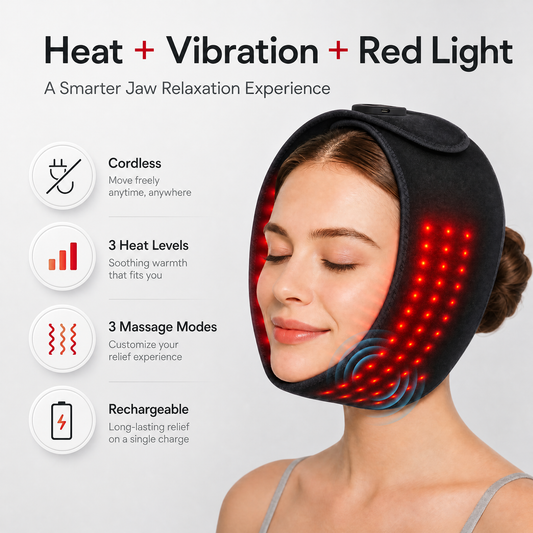
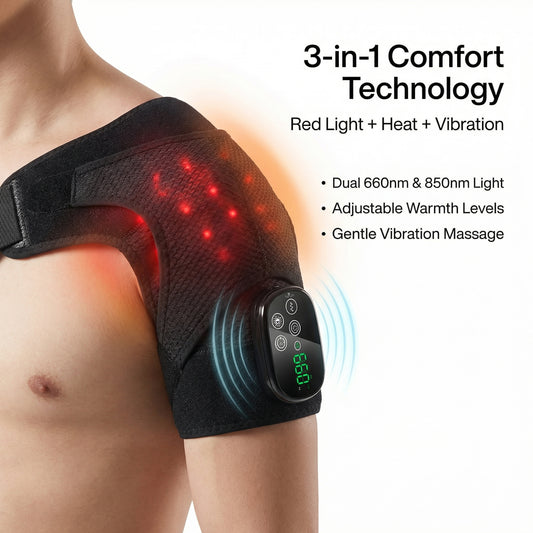
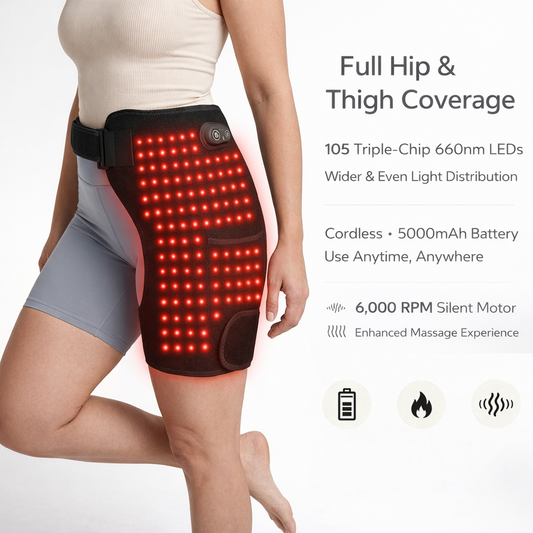
- Red light therapy devices
- Wearable recovery technology
Each works through different mechanisms and may be more suitable for certain situations than others.
For example, gentle heat is commonly used to promote comfort and relaxation around tight muscles before activity or at the end of a long day. Massage may help reduce feelings of muscle tension and temporarily improve flexibility for some individuals. Red light therapy is an active area of research, with scientists investigating its potential role in supporting cellular function and tissue recovery, although evidence varies depending on the condition being studied.
Rather than viewing these technologies as “quick fixes,” it’s more helpful to think of them as tools.
Just as comfortable walking shoes don’t replace regular exercise—but make walking easier—well-designed recovery devices can make healthy recovery habits easier to integrate into everyday life.
Why Wearable Recovery Devices Are Growing in Popularity
One noticeable trend over the past few years has been the shift toward wearable recovery solutions.
Instead of requiring users to lie beside a large machine or schedule appointments around treatment sessions, wearable devices are designed to fit naturally into daily routines.
You might use one:
- While reading in the evening.
- During a work break.
- While watching television.
- After a workout.
- Before going to bed.
For many people, convenience is what turns an occasional recovery habit into a consistent one.
And consistency, more than intensity, is often what produces meaningful long-term results.
Want to learn more?
Read our guide: Understanding Red Light Therapy for Everyday Recovery (Recovery Journal).
If you’re interested in the scientific research behind photobiomodulation, visit our Evidence Hub, where we review clinical studies and systematic reviews in greater depth.
Recovery Works Best When the Pillars Work Together
It’s tempting to search for a single solution that promises faster recovery.
But in reality, the most effective recovery strategies are rarely built on one habit alone.
Better sleep makes movement feel easier.
Regular movement improves sleep quality.
Good nutrition supports both.
Recovery technologies can help reinforce the routine when life becomes busy.
Rather than asking, “Which recovery method is the best?” a better question might be:
“How can I combine simple habits that support my body every day?”
Because recovery isn’t about perfection.
It’s about creating a sustainable rhythm that helps you feel better—not just after workouts, but throughout everyday life.
Building a Daily Recovery Routine That Actually Fits Real Life
One of the biggest misconceptions about recovery is that it requires extra time—an hour at the gym, a dedicated stretching session, or an elaborate wellness ritual.
In reality, the most effective recovery routines rarely look dramatic.
They’re built from small decisions repeated consistently.
You don’t need to recover perfectly.
You simply need to recover often.
The goal isn’t to create another item on your to-do list. Instead, it’s to weave recovery into the moments that already exist throughout your day.
Below is a practical framework that almost anyone can adapt, whether you’re working in an office, exercising regularly, traveling frequently, or simply looking to feel better at the end of the day.
Morning: Wake Your Body Up, Don’t Shock It Awake
The first hour after waking helps set the tone for the rest of the day.
Rather than immediately jumping into emails or rushing out the door, give your body a few minutes to transition from rest to movement.
Even a short routine can make a noticeable difference.
Consider including:
- Drink a glass of water shortly after waking.
- Spend two or three minutes gently stretching your neck, shoulders, hips, and back.
- Walk for five to ten minutes, preferably outdoors if possible.
- If you exercise in the morning, allow a few minutes for mobility work before higher-intensity activity.
Morning recovery isn’t about improving athletic performance.
It’s about reducing stiffness, improving circulation, and helping your body move comfortably throughout the day.
During the Workday: Recovery Happens Between Tasks
Many people assume they need to “make up” for sitting all day with a hard workout in the evening.
While regular exercise is important, prolonged sitting creates its own challenges.
Research has shown that breaking up long periods of sitting with brief movement improves circulation and reduces physical discomfort for many people.
A simple rule is to avoid staying in the same position for too long.
Every hour, try to:
- Stand up.
- Walk for two to five minutes.
- Roll your shoulders.
- Stretch your chest.
- Rotate your neck gently.
- Move your hips through a comfortable range of motion.
These breaks don’t interrupt productivity.
In many cases, they improve it.
Many people notice clearer thinking and better focus after just a few minutes away from the screen.
If your work involves repetitive movements—such as typing, driving, or standing for extended periods—these short recovery breaks become even more valuable.
After Exercise: Recovery Starts Before You Feel Sore
Recovery shouldn’t begin when soreness appears the next morning.
It begins as soon as your workout ends.
That doesn’t mean you need an expensive recovery routine.
Simple habits often provide the greatest benefit:
- Walk for a few minutes before stopping completely.
- Rehydrate with water.
- Eat a balanced meal containing protein and carbohydrates.
- Perform light stretching if it feels comfortable.
- Prioritize quality sleep that evening.
Depending on your activity level and personal preferences, some people also incorporate recovery tools such as heat therapy, massage devices, or wearable red light therapy into their post-exercise routine.
These tools aren’t designed to replace the fundamentals.
Instead, they can help support a consistent recovery practice when combined with healthy lifestyle habits.
Related Reading: Heat Therapy vs. Massage: When Should You Use Each? (Recovery Journal)
Evening: Help Your Nervous System Slow Down
Recovery isn’t only physical.
Your nervous system also needs opportunities to shift away from the constant stimulation of modern life.
Emails.
Notifications.
Meetings.
Traffic.
Family responsibilities.
These demands accumulate throughout the day.
Creating a consistent evening routine helps signal that it’s time to transition toward rest.
You don’t need an elaborate ritual.
Even twenty minutes can make a difference.
For example:
- Dim household lighting.
- Put away work devices.
- Read a book instead of scrolling on your phone.
- Practice gentle stretching or breathing exercises.
- Use recovery methods that help you relax, such as heat therapy or a gentle massage, if you find them comfortable.
Small routines repeated consistently often have a greater impact than occasional intensive recovery sessions.
Recovery Isn’t Reserved for Workout Days
One of the most overlooked aspects of recovery is that it matters just as much on non-training days.
Even if you haven’t exercised, your body is still adapting to:
- Long commutes
- Carrying children
- Gardening
- Housework
- Standing for hours
- Traveling
- Mental stress
- Poor sleep
Recovery supports your body’s response to all of these daily demands—not just exercise.
That’s why many healthcare professionals now encourage people to think about recovery as part of overall wellness rather than something reserved for athletes.
Seven Common Recovery Mistakes
Recovery doesn’t have to be complicated, but there are a few habits that can quietly work against your efforts.
1. Waiting Until Something Hurts
Many people only think about recovery after discomfort appears.
A more sustainable approach is to build recovery into everyday life before problems develop.
2. Treating Weekends as “Recovery Days”
Recovery works best when it’s consistent.
Small daily habits are generally more effective than trying to recover from an entire week’s worth of stress in a single weekend.
3. Ignoring Sleep
No recovery tool can consistently compensate for chronic sleep deprivation.
Sleep remains the foundation upon which every other recovery habit is built.
4. Sitting for Hours Without Moving
Even regular exercisers can experience stiffness from prolonged sitting.
Frequent movement throughout the day often matters just as much as scheduled workouts.
5. Expecting Immediate Results
Recovery is cumulative.
Just as fitness develops over time, so do recovery habits.
Consistency usually produces more noticeable long-term benefits than occasional intensive sessions.
6. Relying on One Solution
Massage.
Stretching.
Heat.
Red light therapy.
Foam rolling.
Each may have a place, but no single method replaces the fundamentals of sleep, movement, and nutrition.
Think of recovery as a system rather than a single technique.
7. Making Recovery Too Complicated
One reason people abandon recovery routines is because they expect them to be perfect.
The truth is much simpler.
Five minutes is better than zero.
A short walk is better than remaining seated all day.
A consistent bedtime is more valuable than an occasional twelve-hour sleep.
Recovery is built through repetition—not perfection.
Recovery Is an Investment in Tomorrow
It’s easy to think about recovery only in terms of how you feel today.
Less stiffness.
More energy.
Better comfort.
Those benefits matter.
But perhaps the greatest value of recovery is how it shapes tomorrow.
The choices you make today influence how you move next week, how you feel next month, and how well your body adapts over the coming years.
Recovery isn’t about turning back the clock.
It’s about helping your body continue doing the things that matter most to you.
Whether that’s playing with your children, hiking on weekends, staying active as you age, or simply finishing a workday feeling less fatigued, recovery supports the activities that make life meaningful.
It isn’t a reward you’ve earned.
It’s part of taking care of the body that carries you through every day.
Continue Exploring Recovery
If you’re interested in building a deeper understanding of recovery science, you may also enjoy:
- Understanding Red Light Therapy for Everyday Recovery (Recovery Journal)
- Heat Therapy vs. Massage: When Should You Use Each? (Recovery Journal)
- How to Choose the Right Recovery Method for Different Body Areas (Recovery Journal)
- The Science Behind Red Light Therapy: What Current Research Shows (Evidence Hub)
- Clinical Evidence for Heat Therapy in Musculoskeletal Care (Evidence Hub)
Or browse our Wearable Recovery Collection to explore recovery solutions designed to fit naturally into everyday life.
Key Takeaways
If there’s one idea worth remembering from this guide, it’s this:
Recovery isn’t something you do once you’ve exhausted yourself—it’s something you practice every day.
It doesn’t require expensive equipment, complicated routines, or hours of free time.
Instead, lasting recovery comes from consistently supporting your body through four simple pillars:
- Prioritizing quality sleep
- Staying physically active throughout the day
- Fueling your body with balanced nutrition
- Using recovery tools thoughtfully to complement healthy habits
No single strategy can replace the others.
A massage won’t make up for chronic sleep deprivation.
A perfect diet won’t eliminate the effects of sitting for ten hours a day.
Likewise, recovery technologies work best when they become part of a broader lifestyle—not a substitute for one.
Perhaps the most important takeaway is this:
Recovery isn’t reserved for athletes.
It’s for parents.
Office workers.
Travelers.
Healthcare professionals.
Weekend hikers.
People returning to exercise.
Anyone who asks their body to keep showing up, day after day.
Your body is remarkably good at adapting.
Give it consistent opportunities to recover, and it will often reward you with better movement, better energy, and greater resilience over time.
Frequently Asked Questions
What does “everyday recovery” actually mean?
Everyday recovery refers to the daily habits that help your body restore energy, repair tissues, regulate stress, and prepare for future physical and mental demands. Rather than focusing only on post-workout recovery, it includes sleep, movement, nutrition, stress management, and supportive recovery techniques that fit into normal life.
Do I need to exercise intensely to benefit from recovery?
Not at all.
Recovery supports everyone, regardless of fitness level.
Whether you’ve spent the day walking, sitting at a desk, gardening, traveling, or caring for children, your body still benefits from healthy recovery habits.
How much sleep do adults need?
Most healthy adults should aim for at least seven hours of sleep each night, according to recommendations from the American Academy of Sleep Medicine and the Sleep Research Society. Individual needs vary, but consistently sleeping less than seven hours has been associated with increased health risks.
Is walking considered recovery?
Yes.
Gentle walking is one of the simplest ways to encourage circulation and reduce stiffness after long periods of sitting or after physical activity.
Recovery doesn’t always require complete rest.
Sometimes gentle movement is exactly what your body needs.
What’s the difference between recovery and rest?
Rest means reducing activity.
Recovery includes the biological processes that help restore your body.
Sleep, nutrition, movement, hydration, stress management, and supportive recovery techniques all contribute to recovery.
Where does heat therapy fit into recovery?
Heat therapy is commonly used to promote relaxation and temporary relief of muscle tightness or stiffness.
Many people find it especially helpful before light stretching or at the end of a physically demanding day.
Related Reading:
Heat Therapy vs. Massage: When Should You Use Each?
Does red light therapy replace exercise or healthy habits?
No.
Red light therapy should be viewed as a complementary recovery strategy rather than a replacement for exercise, healthy eating, or sufficient sleep.
Research into photobiomodulation is expanding, but results vary depending on the condition studied, treatment parameters, and device used. Current evidence is encouraging in some areas while remaining inconclusive in others.
What’s the easiest recovery habit to start today?
Start small.
Take a ten-minute walk.
Go to bed thirty minutes earlier.
Stretch while your coffee brews.
Stand up once every hour.
Recovery isn’t built through dramatic changes.
It’s built through consistent ones.
Continue Your Recovery Journey
If you found this guide helpful, you may also enjoy:
Recovery Journal
- How to Build an Effective Daily Recovery Routine at Home
- Heat Therapy vs. Massage: When Should You Use Each?
- Understanding Red Light Therapy for Everyday Recovery
- How to Choose the Right Recovery Method for Different Body Areas
Evidence Hub
- The Science Behind Red Light Therapy
- Clinical Evidence for Heat Therapy
- Understanding Photobiomodulation: A Beginner’s Guide
- 660nm vs. 850nm: What Does Current Research Show?
Or explore our Wearable Recovery Collection to discover recovery solutions designed to fit naturally into everyday life.
References
Below are examples of high-quality references appropriate for this article. In the published version, these should be formatted consistently (APA or Vancouver style) and linked directly to the original source.
- Centers for Disease Control and Prevention. Short Sleep Duration and Sleep Difficulties Among Adults: United States, 2024. https://www.cdc.gov/nchs/data/databriefs/db559.pdf
- Centers for Disease Control and Prevention. Health Benefits of Physical Activity for Adults. https://www.cdc.gov/physical-activity-basics/health-benefits/adults.html
- Centers for Disease Control and Prevention. Benefits of Physical Activity. https://www.cdc.gov/physical-activity-basics/benefits/index.html
- U.S. Department of Health and Human Services. Physical Activity Guidelines for Americans, 2nd Edition. (Referenced by the CDC guidance above.)
- Figueiredo LM, et al. A Systematic Review on Whole-Body Photobiomodulation for Exercise Performance and Recovery. Lasers in Medical Science. 2025. PubMed: https://pubmed.ncbi.nlm.nih.gov/39883205/
- Photobiomodulation and Sleep Quality: Systematic Review and Meta-analysis. Lasers in Medical Science. 2026. PubMed: https://pubmed.ncbi.nlm.nih.gov/42322437/