How to Build an Effective Daily Recovery Routine at Home
Share
Recovery Isn’t About Having More Free Time—It’s About Using the Time You Already Have
It’s 7:15 on a Tuesday morning.
The alarm rings for the second time. You get out of bed, make a quick cup of coffee, glance through a few emails, and rush out the door. By lunchtime you’ve barely stood up from your desk. The afternoon disappears into meetings and deadlines. After dinner, you tell yourself you’ll stretch, take a walk, or finally use that recovery device sitting on the shelf.
Instead, you answer one last message, watch a little television, and head to bed feeling exactly the same as yesterday—tight shoulders, tired legs, and a mind that never quite slows down.
If this sounds familiar, you’re not alone.
For many people, recovery isn’t difficult because they don’t care about their health. It’s difficult because recovery often feels like another task competing for an already busy schedule.
That’s why so many recovery routines fail before they even begin.
Not because they’re ineffective.
But because they’re unrealistic.
The good news is that recovery doesn’t require an extra hour every day. In fact, the most effective recovery routines are rarely built around long, dedicated sessions. They’re built around small decisions that fit naturally into everyday life.
A few minutes of stretching while the coffee brews.
A short walk after lunch.
Standing up between meetings.
Choosing to wind down instead of scrolling through your phone before bed.
Individually, these habits seem almost insignificant.
Together, they create an environment where your body has more opportunities to recover, adapt, and stay resilient over time.
Why Most Recovery Routines Don’t Last
Spend a few minutes searching online, and you’ll quickly find countless articles promising the “perfect” recovery routine.
Wake up at 5 a.m.
Meditate for twenty minutes.
Cold plunge.
Stretch for thirty minutes.
Prepare a high-protein breakfast.
Journal.
Exercise.
Practice breathwork.
Read.
Repeat every day.
There’s nothing inherently wrong with any of these habits.
The problem is that they often assume people have unlimited time, unlimited motivation, and perfectly predictable schedules.
Real life rarely works that way.
Recovery shouldn’t become another source of stress.
Instead, it should make daily life feel more manageable.
Research on long-term behavior change consistently shows that people are more likely to maintain habits that are simple, realistic, and easy to integrate into existing routines. Small actions performed consistently tend to outperform ambitious plans that are difficult to sustain.
That’s an important shift in mindset.
The goal isn’t to build the most impressive recovery routine.
The goal is to build one you’ll still be following six months from now.
Recovery Is Built in Minutes, Not Hours
Many people imagine recovery as something that begins after exercise.
In reality, recovery happens throughout the day.
Every time you stand up after sitting for an hour.
Every time you choose water instead of another coffee.
Every time you go to bed thirty minutes earlier.
Every time you take a short walk instead of staying at your desk.
These moments may seem too small to matter.
They’re not.
Think of recovery the same way you think about saving money.
Putting one dollar into a savings account doesn’t change your life overnight.
But making that deposit every day for years creates something much larger than any single contribution.
Recovery works in much the same way.
Your body responds to repeated signals.
Consistent movement.
Consistent sleep.
Consistent nutrition.
Consistent stress management.
The benefits accumulate quietly until one day you realize you’re moving more comfortably, sleeping more deeply, or finishing the workday with more energy than before.
Start by Thinking Differently About Recovery
Before changing your routine, it’s worth changing one simple idea.
Recovery isn’t something you schedule after you’ve exhausted yourself.
It’s something you support before your body falls behind.
Imagine two people with equally demanding jobs.
The first spends eight hours sitting without interruption, skips lunch, works late, and finally stretches for thirty minutes before bed.
The second stands up every hour, takes a short walk after lunch, drinks enough water throughout the day, and spends ten quiet minutes unwinding before sleep.
Neither person has dramatically more free time.
But one has created multiple opportunities for recovery throughout the day.
Recovery isn’t always about doing more.
Often, it’s about interrupting the cycle of physical and mental stress before it builds into something larger.
The Four Moments That Shape Every Day
Instead of thinking about recovery as one long session, it’s more useful to divide your day into four natural phases.
Each phase offers an opportunity to support your body in a different way.
Morning
Your goal isn’t to “maximize productivity.”
It’s to gently transition your body from sleep into movement.
Small actions in the first hour of the day can influence how you feel for hours afterward.
Midday
Long periods of sitting, repetitive work, and mental concentration gradually increase physical tension.
Recovery during the workday focuses on movement, posture, hydration, and brief moments away from the screen.
Evening
The body needs time to shift from activity into rest.
Recovery during the evening emphasizes slowing down rather than speeding up.
Good evenings often lead to better nights.
And better nights often lead to better mornings.
Weekly Reset
Recovery isn’t only something you practice every day.
A weekly reset gives your body and mind a chance to recover from the accumulated demands of the previous week while preparing for the next one.
Unlike “cheat days” or all-day recovery sessions, a weekly reset simply creates extra space for movement, relaxation, hobbies, family time, and quality sleep.
Recovery Should Fit Your Life—Not the Other Way Around
One of the biggest reasons people stop following healthy routines is that the routine begins to control their schedule instead of supporting it.
The best recovery plan isn’t the one with the longest checklist.
It’s the one you barely have to think about.
If your recovery routine requires perfect conditions, you’ll probably abandon it when life becomes busy.
But if recovery is built into the moments that already exist—walking after lunch, stretching while dinner cooks, taking a few quiet minutes before bed—it becomes much easier to maintain.
That’s where lasting change happens.
Not through intensity.
But through consistency.
Quick Take
The most effective recovery routine isn’t the most complicated one—it’s the one you can realistically repeat every day. Consistency, not perfection, is what helps recovery become part of a healthy lifestyle.
Coming Up Next
Now that we’ve established the principles behind a sustainable recovery routine, it’s time to put them into practice.
In the next section, we’ll walk through a complete hour-by-hour daily recovery routine, including:
- A 10-minute morning reset
- Simple recovery habits during the workday
- Post-exercise recovery strategies
- Evening wind-down techniques
- Practical tips for busy schedules and travel
You’ll see how recovery can fit naturally into your day—without requiring extra hours or completely changing your lifestyle.
A Practical Daily Recovery Routine You Can Actually Stick With
Recovery doesn’t happen in one uninterrupted hour.
It happens in small moments scattered throughout your day.
Think of your routine less like a workout plan and more like brushing your teeth. You don’t brush for an hour once a week—you spend a few minutes every day because consistency matters more than intensity.
The same principle applies to recovery.
Below is a practical framework designed for real life. You don’t need to follow every step perfectly. Instead, think of it as a menu of habits you can adapt to your own schedule.
Morning Recovery: Start the Day by Waking Up Your Body
How you spend the first 30 to 60 minutes after waking can influence how your body feels for the rest of the day.
After several hours of sleep, your muscles are less active, your joints have been relatively still, and your body is transitioning from a resting state into movement. Giving yourself a few minutes to make that transition often feels far better than jumping straight into work.
A Simple 10-Minute Morning Reset
You don’t need expensive equipment or a dedicated home gym.
Try something like this:
Minute 1–2
Drink a glass of water before reaching for another cup of coffee.
Even mild overnight dehydration can contribute to feelings of fatigue and sluggishness.
Minute 3–5
Perform gentle mobility exercises.
Focus on areas that commonly become stiff overnight:
- Neck
- Shoulders
- Upper back
- Hips
- Ankles
Move slowly. You’re waking your body up—not trying to increase flexibility.
Minute 6–10
Walk around your home, step outside for fresh air, or simply spend a few minutes moving before sitting down.
Morning movement helps increase circulation and can make the rest of the day feel noticeably more comfortable.
Quick Take
Your morning routine doesn’t need to be long. Ten minutes of gentle movement is often more sustainable—and ultimately more valuable—than an occasional one-hour stretching session.
Recovery During the Workday: Small Breaks Add Up
For many people, the workday—not the workout—is the biggest source of physical fatigue.
Hours spent sitting at a desk, driving, or standing in the same position place continuous demands on the body. While these activities may not feel physically demanding in the moment, their effects accumulate over time.
The solution isn’t necessarily a harder workout after work.
It’s interrupting long periods of inactivity before stiffness has a chance to build.
Follow the “Move Every Hour” Rule
You don’t need a timer if one feels disruptive, but it’s helpful to develop the habit of changing positions regularly.
Every hour, aim to spend two to five minutes moving.
That movement could be as simple as:
- Walking to refill your water bottle
- Taking the stairs instead of the elevator
- Stretching your chest after typing
- Rolling your shoulders
- Looking away from your screen and relaxing your neck
None of these actions are dramatic.
Together, they help break the cycle of prolonged sitting.
Don’t Forget Hydration
It’s surprisingly common to mistake mild dehydration for fatigue.
Keeping a water bottle nearby isn’t just convenient—it also creates a natural reason to stand up and move throughout the day.
Every trip to refill your bottle becomes another opportunity to recover.
Lunch Breaks Are Recovery Opportunities
Many people eat lunch while answering emails or attending virtual meetings.
Occasionally that’s unavoidable.
But whenever possible, let your lunch break become a genuine break.
Even a short walk after eating offers several benefits:
- It encourages gentle movement after sitting.
- It provides a mental reset.
- It creates separation between work and personal time.
- It helps prevent the feeling of spending an entire day in one chair.
If walking isn’t practical, simply stepping outside for a few minutes or stretching in a quiet space can still help you return to work feeling refreshed.
Quick Take
Recovery isn’t something you postpone until after work. Some of the most valuable recovery habits happen in the middle of your busiest day.
Recovery After Exercise: Support Your Body While It’s Already Adapting
Exercise places healthy stress on the body.
Recovery is how your body responds to that stress.
Contrary to popular belief, recovery begins immediately after your workout—not the next morning when soreness appears.
A balanced post-exercise routine doesn’t need to be complicated.
Start with the fundamentals:
Rehydrate
Replace the fluids you’ve lost through sweat.
Refuel
Include a balanced meal or snack that contains protein and carbohydrates within a reasonable time after exercise.
Cool Down
Rather than stopping abruptly, spend a few minutes walking or performing light movement to help your body gradually transition back to its resting state.
Listen to Your Body
Some days you’ll feel energized.
Other days you’ll feel unusually tired.
Recovery isn’t about forcing yourself to follow the exact same routine every time.
It’s about responding to what your body needs that day.
Where Recovery Technologies Can Fit
Many people choose to include supportive recovery tools after exercise as part of their overall routine.
Depending on individual preferences and goals, this may include:
- Gentle heat therapy to promote relaxation
- Massage devices to help reduce feelings of muscle tightness
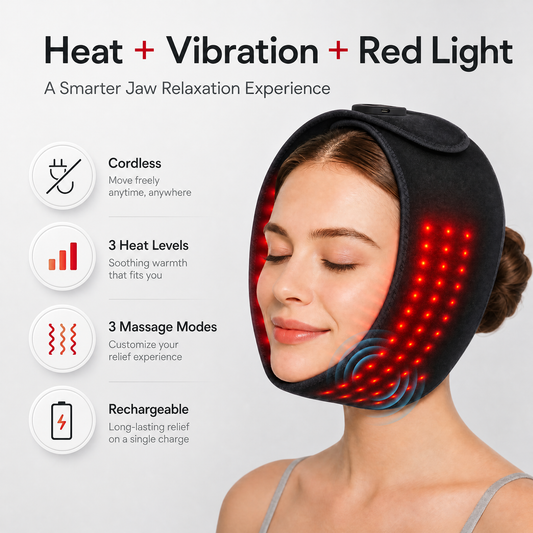
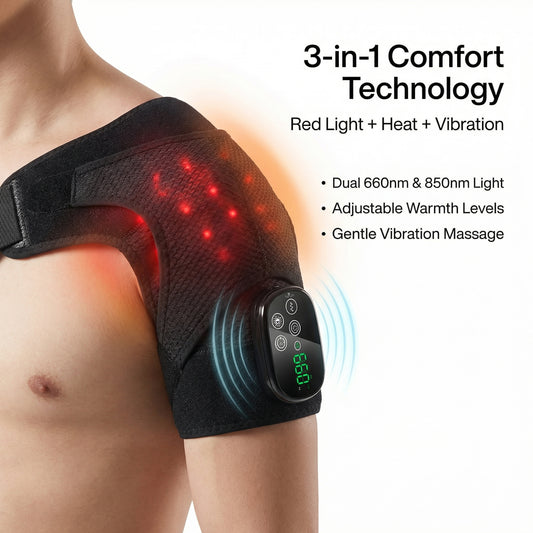
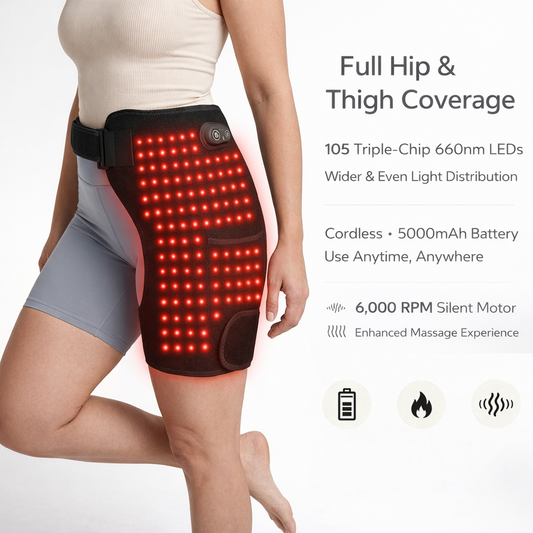
- Wearable red light therapy devices as part of a broader recovery practice
These approaches are best viewed as additions to—not replacements for—sleep, nutrition, hydration, and regular movement.
If you’re curious about how different recovery methods compare, you may also enjoy:
- Heat Therapy vs. Massage: When Should You Use Each?
- Understanding Red Light Therapy for Everyday Recovery
Recovery Doesn’t End When the Workout Does
Perhaps the biggest misconception about recovery is that it’s something reserved for people who exercise regularly.
In reality, every day places demands on the body.
A busy work schedule.
Carrying groceries.
Playing with children.
Traveling.
Household chores.
Even emotional stress.
Your body doesn’t distinguish between “work stress” and “workout stress” as neatly as we sometimes imagine.
It simply responds to the demands placed upon it.
That’s why the most effective recovery routine isn’t one designed only for gym days.
It’s one that supports your body every day, regardless of how active—or busy—you happen to be.
Quick Take
Recovery isn’t a separate part of your day. It’s a series of small choices woven into the day you’re already living. The easier those choices become, the more likely they are to become lasting habits.
Evening Recovery: Help Your Body Slow Down Before Bed
If the morning is about preparing your body for the day ahead, the evening is about preparing it for recovery.
Many of us unintentionally send mixed signals to our bodies at night. We finish work late, squeeze in household chores, scroll through our phones, answer one last email, and expect to fall asleep the moment our head touches the pillow.
Physiologically, that’s a difficult transition.
Your nervous system doesn’t have an “off” switch. It gradually shifts from a state of alertness to one of rest. Creating a consistent evening routine helps support that transition.
The goal isn’t to build a perfect bedtime ritual. It’s simply to create a clear signal that the day is ending.
A 30-Minute Evening Wind-Down
Think of this routine as reducing stimulation rather than adding more tasks.
Step 1: Put Work Away
Whenever possible, avoid checking work emails or starting mentally demanding tasks during the last 30 to 60 minutes before bed.
Creating a psychological boundary between work and sleep makes it easier for your mind to settle.
Step 2: Reduce Screen Exposure
Bright screens, endless notifications, and stimulating content can make it harder to relax.
You don’t need to eliminate screens completely, but lowering brightness, avoiding emotionally intense content, or putting your phone aside for part of the evening can make a noticeable difference.
Step 3: Gentle Movement
This isn’t the time for an intense workout.
Instead, try:
- Gentle shoulder rolls
- Hip mobility exercises
- Light stretching
- Relaxed breathing
- A slow walk around your home
The purpose isn’t to increase flexibility.
It’s to release some of the tension that has accumulated throughout the day.
Step 4: Create a Comfortable Environment
A cool, quiet, and comfortable bedroom supports better sleep.
Simple habits—such as dimming the lights, reducing noise, or keeping your bedroom primarily for sleep—can make it easier to establish a consistent routine.
Quick Take
Recovery doesn’t begin when you fall asleep. It begins with the choices you make before going to bed.
What If You Only Have 10 Minutes?
One of the biggest misconceptions about recovery is that it requires large blocks of free time.
Most people don’t have an extra hour every evening.
The good news is that meaningful recovery doesn’t require one.
If you only have ten minutes, consider this simple routine:
2 Minutes
Drink water and take several slow, deep breaths.
3 Minutes
Walk around your home or outside.
3 Minutes
Stretch your shoulders, hips, and lower back.
2 Minutes
Sit quietly, breathe naturally, and allow yourself to mentally disconnect from work.
Ten minutes won’t solve every source of fatigue.
But it creates consistency—and consistency is what allows recovery habits to compound over time.
Recovery on Busy Days
Not every day looks the same.
Some days include travel.
Others include long meetings, family responsibilities, or unexpected events.
Instead of asking,
“How can I complete my full recovery routine today?”
Try asking,
“What’s the smallest recovery habit I can still accomplish?”
Perhaps it’s:
- Walking while taking a phone call.
- Stretching during a coffee break.
- Choosing stairs instead of the elevator.
- Going to bed twenty minutes earlier.
- Drinking enough water during a long flight.
Recovery shouldn’t disappear on busy days.
It should become more flexible.
A simplified routine is almost always better than abandoning your routine altogether.
Build a Weekly Recovery Reset
Daily habits create consistency.
Weekly habits create perspective.
Once each week, consider setting aside a little extra time to check in with yourself.
Ask simple questions:
- How has my energy felt this week?
- Am I sleeping enough?
- Have I been moving regularly?
- Which areas of my body feel stiff or tired?
- What recovery habit was easiest to maintain?
- Which one needs adjustment?
This isn’t about judging yourself.
It’s about noticing patterns.
You may realize that your shoulders always become tight after several consecutive days at your desk.
Or that your sleep improves whenever you take an evening walk.
Small observations often lead to meaningful improvements over time.
Many people also choose this weekly reset as an opportunity for a longer walk, gentle yoga session, mobility work, or simply spending more time outdoors.
Recovery doesn’t always require doing more.
Sometimes it means giving yourself permission to slow down.
Eight Common Recovery Mistakes
Recovery is often misunderstood because people focus on dramatic solutions instead of sustainable habits.
Here are some of the most common mistakes.
1. Waiting Until You Feel Exhausted
Recovery works best as prevention—not as an emergency response.
Supporting your body consistently is easier than trying to recover from prolonged fatigue.
2. Believing More Is Always Better
Longer sessions aren’t automatically more effective.
Twenty minutes of consistent movement performed five days each week often provides greater long-term value than a single two-hour session on the weekend.
3. Ignoring Sleep
Recovery methods can complement healthy sleep habits.
They cannot replace them.
Sleep remains one of the most important foundations of physical and mental recovery.
4. Sitting for Too Long
Even regular exercise doesn’t completely offset the effects of prolonged sitting.
Frequent movement throughout the day remains important.
5. Following Someone Else’s Routine
Your ideal recovery routine depends on factors such as:
- Age
- Activity level
- Occupation
- Daily schedule
- Personal preferences
The best routine is the one that fits your life—not someone else’s.
6. Expecting Immediate Results
Recovery is cumulative.
You may notice small improvements after a few days, but lasting benefits often develop over weeks and months of consistent habits.
7. Treating Recovery as Optional
People often make time for work, errands, and appointments while viewing recovery as something to do “if there’s time left.”
A healthier perspective is recognizing recovery as one of the habits that helps you continue doing everything else.
8. Trying to Change Everything at Once
The fastest way to abandon a recovery routine is to make it too complicated.
Choose one or two habits.
Practice them consistently.
Add more only when those habits become automatic.
Your Recovery Routine Doesn’t Need to Be Perfect
Perfection isn’t the goal.
Consistency is.
Some mornings you’ll oversleep.
Some evenings you’ll be too tired to stretch.
Some weeks will be busier than others.
That’s normal.
Healthy routines aren’t built by never missing a day.
They’re built by returning to your habits after life inevitably interrupts them.
Every small choice—a short walk, a glass of water, a few minutes of stretching, or simply going to bed on time—is another opportunity to support your body’s ability to recover.
Over time, those choices become less like tasks and more like part of who you are.
Quick Take
An effective recovery routine isn’t measured by how much time it takes. It’s measured by how naturally it fits into your daily life—and how consistently you can return to it, even when life gets busy.
Frequently Asked Questions
1. How long should a daily recovery routine take?
There’s no universal rule, but more time doesn’t necessarily mean better results.
For most people, 20 to 30 minutes spread throughout the day is both realistic and effective. That time doesn’t need to happen all at once. A few minutes of morning mobility, a short walk after lunch, regular movement breaks during work, and a brief evening wind-down can collectively provide meaningful support for everyday recovery.
If your schedule is especially busy, even 10 consistent minutes each day can be a valuable starting point.
2. Do I need to exercise every day to benefit from a recovery routine?
Not at all.
Recovery isn’t reserved for athletes or people with structured workout plans. Daily life itself places demands on the body. Long hours at a desk, household chores, commuting, caring for children, or simply dealing with mental stress can all contribute to physical fatigue.
A recovery routine supports your body regardless of whether your day involved a gym session or a full day of meetings.
3. What’s the most important part of recovery?
If you could only focus on one thing, sleep would likely have the greatest overall impact.
During sleep, the body carries out many essential processes involved in physical restoration, cognitive function, and overall health. While practices such as stretching, hydration, massage, heat therapy, and wearable recovery technologies may complement recovery, they work best when built upon a foundation of healthy sleep.
Think of recovery as a pyramid:
- Sleep
- Regular movement
- Balanced nutrition and hydration
- Stress management
- Recovery tools and techniques
Each level supports the next.
4. Should I recover before or after exercise?
The answer is both—but in different ways.
Before exercise, recovery focuses on preparing your body through gentle movement, mobility work, and proper hydration.
After exercise, the emphasis shifts toward helping your body adapt through cooling down, eating a balanced meal, replacing fluids, and allowing adequate time for rest.
Recovery isn’t a single event. It’s an ongoing process that begins before activity and continues long after it ends.
5. Can recovery help if I work at a desk all day?
Absolutely.
In fact, desk workers often benefit significantly from consistent recovery habits because prolonged sitting can contribute to stiffness, reduced movement, and feelings of fatigue.
Simple strategies such as standing every hour, taking walking breaks, stretching your chest and hips, and changing positions regularly can make a noticeable difference over time.
You don’t need intense exercise to offset an entire day of sitting. Frequent movement throughout the day is often just as important.
6. Are wearable recovery devices necessary?
Not necessarily.
A healthy recovery routine can be built with little more than consistent sleep, regular movement, nutritious food, and good daily habits.
Wearable recovery devices are best viewed as supportive tools rather than essential requirements. Depending on the device and how it’s used, they may complement an overall recovery routine by promoting comfort, relaxation, or helping users maintain consistent recovery habits.
The fundamentals, however, remain the same.
7. How do I know if my recovery routine is working?
Recovery is rarely measured by a single number.
Instead, pay attention to gradual changes over several weeks.
You may notice:
- Waking up feeling more refreshed
- Less stiffness during the day
- Improved comfort after long periods of sitting
- More consistent energy levels
- Better sleep quality
- Feeling ready for your usual activities more quickly
These subtle improvements often indicate that your routine is becoming part of a healthier lifestyle.
8. What if I miss a day?
Don’t worry.
Consistency doesn’t mean perfection.
Missing one day won’t undo weeks of healthy habits.
What matters is returning to your routine the next day instead of waiting for the “perfect” time to start again.
One skipped day is part of normal life.
Quitting entirely is what prevents long-term progress.
Key Takeaways
Recovery isn’t a luxury reserved for elite athletes or people with hours of free time. It’s an everyday practice that helps your body adapt to the physical and mental demands of modern life.
The most effective recovery routine isn’t the most complicated one. It’s the one you can realistically maintain.
If you remember only a few ideas from this guide, let them be these:
- Recovery happens throughout the day—not only after exercise.
- Small habits repeated consistently often have a greater long-term impact than occasional intensive sessions.
- Sleep, movement, hydration, nutrition, and stress management form the foundation of healthy recovery.
- Recovery routines should fit your lifestyle rather than compete with it.
- Supportive recovery technologies can complement healthy habits, but they cannot replace them.
- Progress comes from consistency, not perfection.
Whether your goal is to stay comfortable during long workdays, recover after exercise, or simply feel more energized in everyday life, the best time to begin is with one small habit today.
A short walk.
A few minutes of stretching.
An earlier bedtime.
A glass of water.
Small choices, repeated consistently, are what turn recovery into a lasting part of a healthy lifestyle.
Related Reading
Continue exploring recovery with these articles from the Recovery Journal:
- The Modern Guide to Everyday Recovery: Why Recovery Matters More Than Ever
- Why Recovery Is Different From Rest
- Understanding Heat Therapy
- Understanding Red Light Therapy
- Recovery for Desk Workers
- Shoulder Recovery Guide
- Hip Recovery Guide
- Better Sleep for Better Recovery
For readers interested in the science behind these topics, visit our Evidence Hub, where you’ll find evidence summaries covering:
- Photobiomodulation (Red Light Therapy)
- Heat Therapy
- Massage Therapy
- Sleep and Recovery
- Exercise Recovery
- Clinical Research Explained
References
The following sources support the concepts discussed in this article. Rather than relying on a single study, the recommendations reflect the broader scientific consensus from public health organizations and peer-reviewed research.
1. World Health Organization - WHO Guidelines on Physical Activity and Sedentary Behaviour
Official Publication:https://www.who.int/publications/i/item/9789240015128
PubMed:https://pubmed.ncbi.nlm.nih.gov/33369898/
Open Access Full Text:https://www.ncbi.nlm.nih.gov/books/NBK566045/
2. U.S. Department of Health and Human Services - Physical Activity Guidelines for Americans (2nd Edition)
Official Publication:https://health.gov/our-work/nutrition-physical-activity/physical-activity-guidelines
3. Centers for Disease Control and Prevention (CDC) - Physical Activity Basics
Official Publication:https://www.cdc.gov/physicalactivity/basics/index.htm
4. Centers for Disease Control and Prevention (CDC) - How Much Sleep Do I Need?
Official Publication:https://www.cdc.gov/sleep/about_sleep/how_much_sleep.html
5. National Heart, Lung, and Blood Institute - Healthy Sleep
Official Publication:https://www.nhlbi.nih.gov/health/sleep
6. National Institutes of Health - Your Guide to Healthy Sleep
Official Publication (PDF):https://www.nhlbi.nih.gov/files/docs/public/sleep/healthy_sleep.pdf
7. National Institute on Aging - Exercise and Physical Activity
Official Publication:https://www.nia.nih.gov/health/exercise-and-physical-activity
8. American Heart Association - Move More, Sit Less
Official Publication:https://www.heart.org/en/healthy-living/fitness
9. Owen N, Healy GN, Matthews CE, Dunstan DW. - Too Much Sitting: The Population-Health Science of Sedentary Behavior
Journal
Exercise and Sport Sciences Reviews. 2010;38(3):105–113.
PubMed:https://pubmed.ncbi.nlm.nih.gov/20577058/
DOI:https://doi.org/10.1097/JES.0b013e3181e373a2
10. Ekelund U, Steene-Johannessen J, Brown WJ, et al. - Does Physical Activity Attenuate, or Even Eliminate, the Detrimental Association of Sitting Time With Mortality?
Journal
The Lancet. 2016.
PubMed:https://pubmed.ncbi.nlm.nih.gov/27475271/
DOI:https://doi.org/10.1016/S0140-6736(16)30370-1
11. Warburton DER, Bredin SSD. - Health Benefits of Physical Activity: A Systematic Review of Current Systematic Reviews
Journal
Current Opinion in Cardiology. 2017.
PubMed:https://pubmed.ncbi.nlm.nih.gov/28708630/
DOI:https://doi.org/10.1097/HCO.0000000000000437
12. Fullagar HHK, Skorski S, Duffield R, et al. - Sleep and Athletic Performance: The Effects of Sleep Loss on Exercise Performance, and Physiological and Cognitive Responses to Exercise
Journal
Sports Medicine. 2015.
PubMed:https://pubmed.ncbi.nlm.nih.gov/25868771/
DOI:https://doi.org/10.1007/s40279-015-0305-7
13. Halson SL. - Sleep in Elite Athletes and Nutritional Interventions to Enhance Sleep
Journal
Sports Medicine. 2014.
PubMed:https://pubmed.ncbi.nlm.nih.gov/24477654/
DOI:https://doi.org/10.1007/s40279-014-0147-0
14. American Academy of Sleep Medicine - Recommended Amount of Sleep for a Healthy Adult
Official Publication:https://aasm.org/
PubMed:https://pubmed.ncbi.nlm.nih.gov/29073398/
15. National Sleep Foundation - National Sleep Foundation Sleep Duration Recommendations
Official Publication:https://www.thensf.org/
16. Thomas DT, Erdman KA, Burke LM. - Nutrition and Athletic Performance
Journal
Journal of the Academy of Nutrition and Dietetics. 2016.
PubMed:https://pubmed.ncbi.nlm.nih.gov/27886704/
DOI:https://doi.org/10.1016/j.jand.2015.12.006
17. Sawka MN, Burke LM, Eichner ER, et al. - Exercise and Fluid Replacement
Journal
Medicine & Science in Sports & Exercise. 2007.
PubMed:https://pubmed.ncbi.nlm.nih.gov/17277604/
DOI:https://doi.org/10.1249/mss.0b013e31802ca597
18. Cheatham SW, Kolber MJ, Cain M, Lee M. - The Effects of Self-Myofascial Release Using a Foam Roll or Roller Massager on Joint Range of Motion, Muscle Recovery, and Performance
Journal
International Journal of Sports Physical Therapy. 2015.
PubMed:https://pubmed.ncbi.nlm.nih.gov/26618062/
Open Access Full Text:https://ijspt.scholasticahq.com/article/21021
19. Dupuy O, Douzi W, Theurot D, Bosquet L, Dugué B. - An Evidence-Based Approach for Choosing Recovery Techniques After Exercise
Journal
Frontiers in Physiology. 2018.
PubMed:https://pubmed.ncbi.nlm.nih.gov/29467669/
DOI:https://doi.org/10.3389/fphys.2018.00403
Open Access Full Text:https://www.frontiersin.org/articles/10.3389/fphys.2018.00403/full
20. Kellmann M, Bertollo M, Bosquet L, et al. - Recovery and Performance in Sport: Consensus Statement
Journal
International Journal of Sports Physiology and Performance. 2018.
PubMed:https://pubmed.ncbi.nlm.nih.gov/29710156/
DOI:https://doi.org/10.1123/ijspp.2017-0759